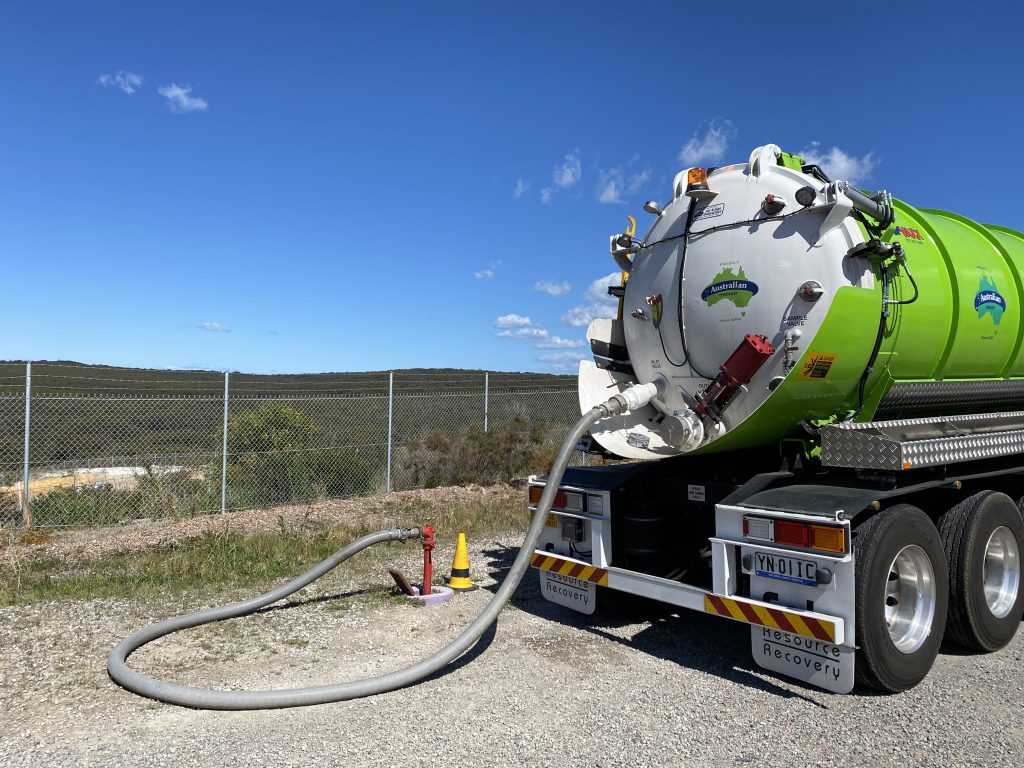
Valve Box Cleaning

Cost Reduction: Drones help lower costs by reducing the need for manual labor,
minimizing errors, and preventing rework. They facilitate more accurate project
planning, which in turn contributes to budget savings.

As businesses increasingly adopt drones, they are embarking on a path toward a future defined by heightened productivity, a stronger focus on environmental sustainability, and remarkable achievements across various industries. This category emphasizes how drones are reshaping the very essence of business, ultimately leading to a more dynamic and successful business landscape.
In summary, the category of Transformative Business Integration with Drones highlights the significant impact that drones are having on the business landscape. By revolutionizing the way companies operate, drones are fundamentally changing the way business is conducted. Their ability to improve operational efficiency, reduce expenses, and enhance safety has positioned them as a central catalyst for innovative business practices.
The construction industry is another sector that has benefited significantly from drone technology. Drones are being used to monitor construction sites, provide real-time data on progress, and conduct safety inspections. This has resulted in reduced operational costs, increased productivity, and improved safety measures. Drones are also being used to inspect buildings, bridges, and other infrastructure, reducing the need for workers to climb to dangerous heights or work in confined spaces, thereby enhancing safety measures.
Delivery is another area where drones are making an impact. They are being used to deliver packages in areas that are difficult to reach by traditional methods. This includes remote areas, disaster zones, and even urban areas where traffic congestion is a problem. This has enabled companies to deliver goods and services more efficiently and cost-effectively, leading to increased customer satisfaction.
Security is another area where drones are making significant contributions. They are being used to patrol borders, monitor crowds, and even track wildlife in conservation areas. By doing so, they are improving safety measures, reducing the risk of human error, and providing real-time data to authorities.
In conclusion, drones are revolutionizing the way businesses operate, and companies that are not adapting to this technology risk being left behind. Drones are here to stay, and their impact on management processes will only continue to grow. As the CEO of DJI, Frank Wang, said,
"Drones are not a thing of the future anymore. They're here now, and they're changing the world."
Therefore, it is crucial for businesses to integrate drones into their operations to remain competitive and enhance their overall productivity and safety measures.
One thing is clear: drones are changing the way businesses operate, and those that don't adapt risk falling behind. As the CEO of DJI, Frank Wang, said, "Drones are not a thing of the future anymore.
They're here now, and they're changing the world."
Drones have revolutionized the way businesses operate, and their impact on management cannot be overstated. From agriculture to construction, drones are being used to improve efficiency, reduce costs, and increase
safety. Here are some examples of how drones are changing management: